
Power outages happen to everyone, especially along the coast when summer storms or strong winds roll through the Illawarra. Most are short and caused by the network. Some are caused by a fault inside your home. Knowing how to tell the difference saves time and keeps you safe.
Step one: check whether it is just you
Look out the window. Are the neighbours' lights on? Are streetlights working? If the whole street is dark, the outage is almost certainly on the network side. You can check the Endeavour Energy outage information online or call their faults line to report it and get updates. There is nothing an electrician can do about a network outage, so save the call.
Step two: check your switchboard
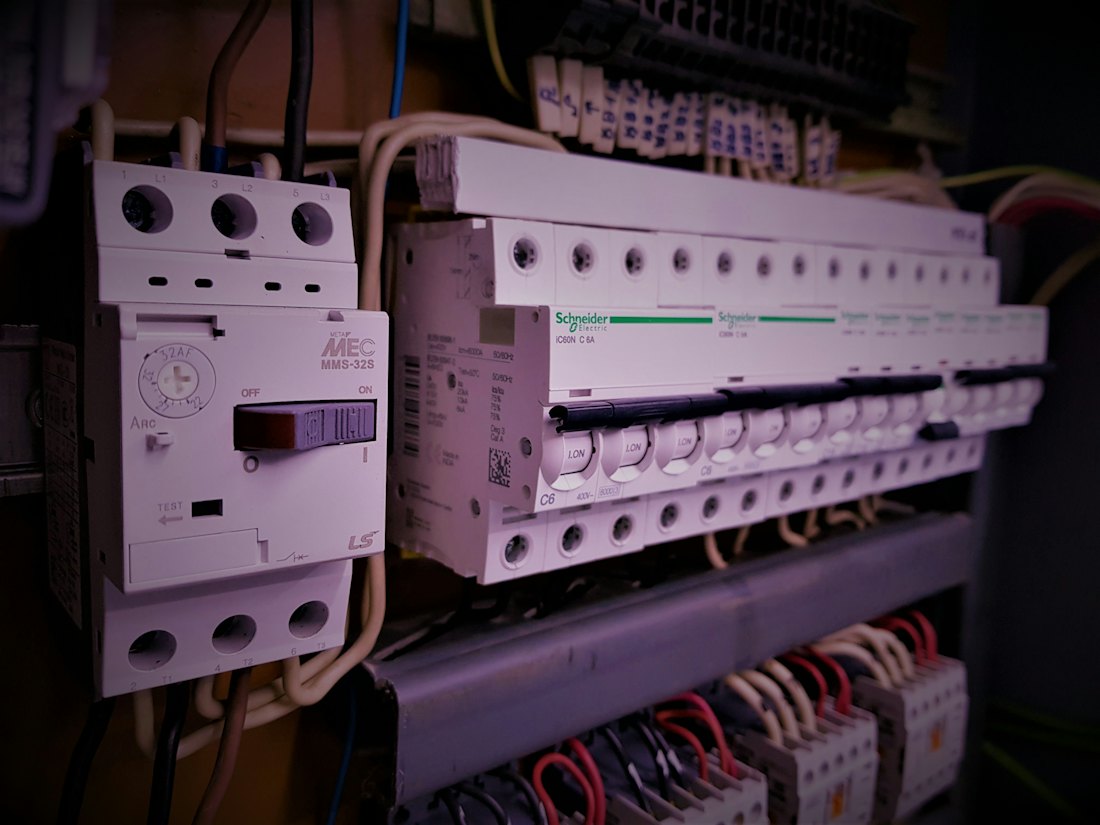
If neighbours have power and you do not, head to your switchboard with a torch. Look for:
- A safety switch (RCD) in the off or tripped position.
- A circuit breaker that has flipped down.
- On older boards, a ceramic fuse that has blown.
If a safety switch has tripped, try switching it back on once. If it stays on, something may have caused a one-off trip, such as a storm surge or a faulty appliance. If it trips again straight away, there is likely a fault on that circuit.
Step three: find the cause of a repeat trip
A common cause of repeat tripping is a faulty appliance. Unplug everything on the affected circuits, reset the safety switch and plug things back in one at a time. If it trips when you plug in a particular kettle, heater or fridge, you have found the likely culprit. Leave it unplugged and get it checked or replaced.
If it trips with everything unplugged, the fault is probably in the fixed wiring, a light fitting, an outdoor power point or a hard wired appliance like an oven or hot water system. That is the point to call a licensed electrician.
Staying safe while the power is out
- Use torches rather than candles where you can.
- Switch off heaters, ovens, irons and other appliances that could start up unattended when power returns.
- Keep fridge and freezer doors closed to hold the cold in.
- If anyone at home relies on powered medical equipment, have a plan for longer outages.
- Never run a generator indoors or connect one to your house wiring without a properly installed changeover arrangement.
When it is not safe to touch the switchboard
Leave the switchboard alone and call for help if you notice:
- A burning smell or smoke coming from the board.
- Scorch marks, melted plastic or buzzing sounds.
- Water in or around the switchboard after a storm.
- A board with old fuses and exposed wiring you are not comfortable near.
Our guide to a burning smell from the switchboard explains what to do in that situation.
When the power comes back
Turn appliances back on gradually rather than all at once. Check that clocks, pool pumps and hot water timers are set correctly. If some lights or power points still do not work, you may have a partial outage inside the house, which is covered in our guide to partial power loss.
Older homes and repeated outages
Homes with original 1960s or 70s switchboards in suburbs like Windang, Primbee and Lake Heights often have little or no safety switch protection. If your home loses power often, or a fuse keeps blowing, the board may be overloaded. A switchboard upgrade can add modern protection and make faults easier to isolate.
Need help now
Flowstate is open 24 hours for emergency call outs. If your home has lost power and the street has not, or something looks or smells wrong at the switchboard, call or text Kalani on 0424 400 346. A photo of your switchboard helps him understand the situation before he arrives.
Reach out to us
Tell us what you need and we will get back to you quickly. If it cannot wait, call or text 0424 400 346 now.
- Phone0424 400 346
- Email[email protected]
- HoursOpen 24 hours for emergency call outs. Planned work booked at a time that suits you.